Milleshaug Farm
A Home for Future Generations
"The farm has been abandoned since the 1980s – now its history is being brought back to life."
Welcome to Milleshaug
A place with deep roots
Milleshaug Farm has been in the same family line since 1764, and carries with it both local history and personal stories spanning generations.
This is a place of great significance – for the family, for the local community, and for the history that still lives in the landscape around the farm.
We are giving the farm new life
Today we are working to give Milleshaug new life – not just as a heritage site, but as a home where the family can live again and where new generations can grow up.
The goal is simple, but significant:
The lights will shine once more at Milleshaug.
We want the farm to be a living place for everyday life, togetherness, and new memories.
A long-term and respectful endeavor
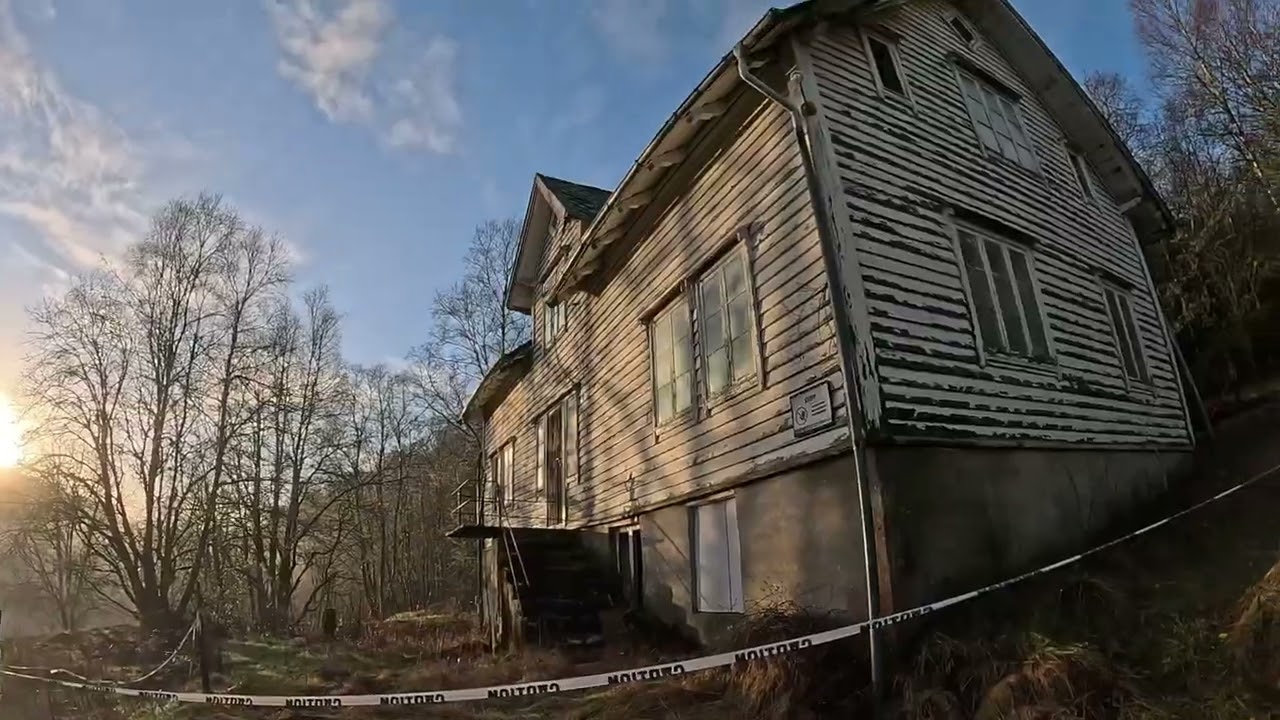
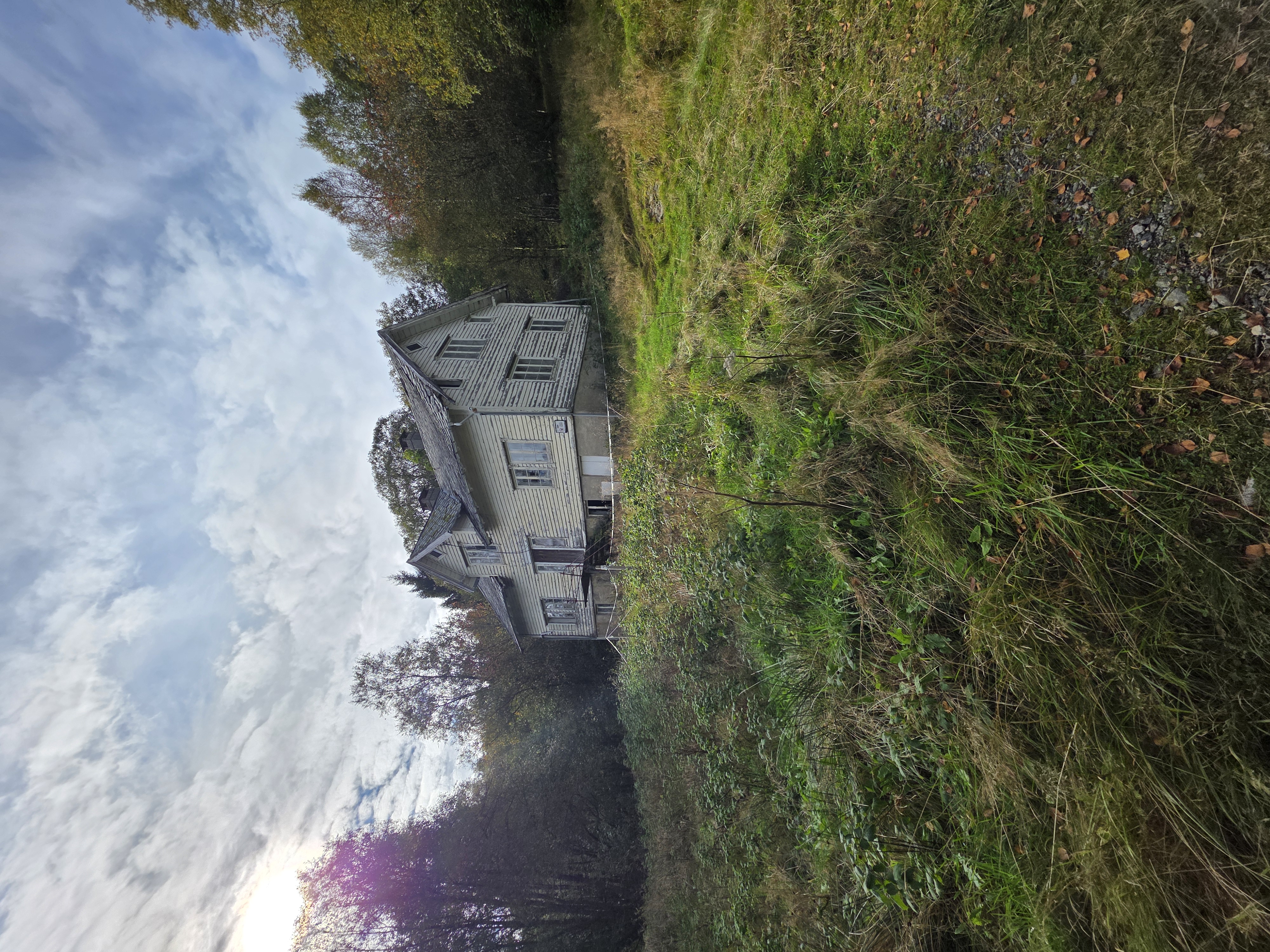
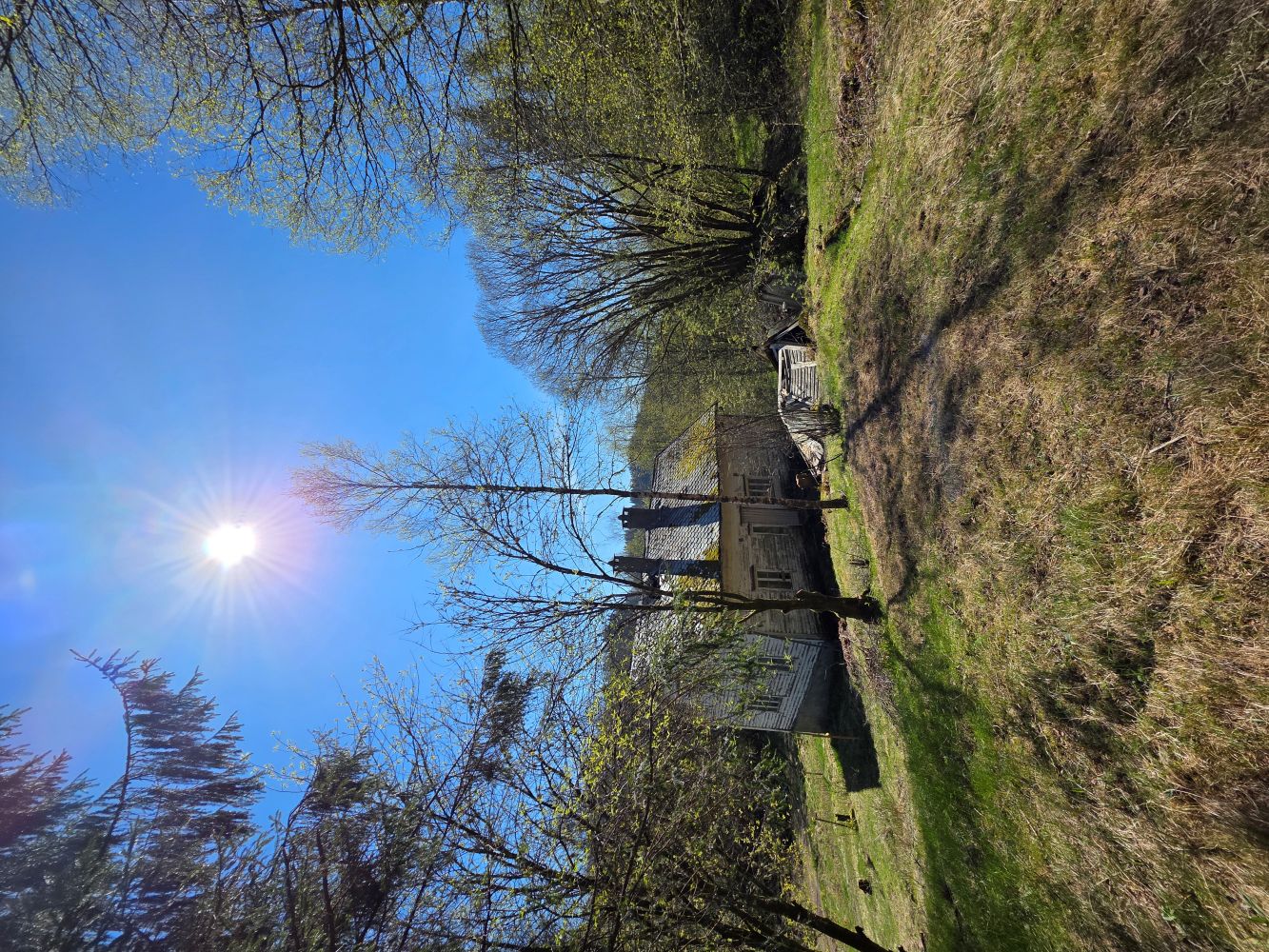
After several decades without permanent residents, the buildings have deteriorated significantly. The work now underway is:
- long-term
- conducted with respect for the farm's history and character
- carried out with future family life in mind
More than restoration
Restoring Milleshaug is therefore about more than buildings. It is about responsibility for what has been passed down, and the desire to pass something forward – a home for future generations.
History
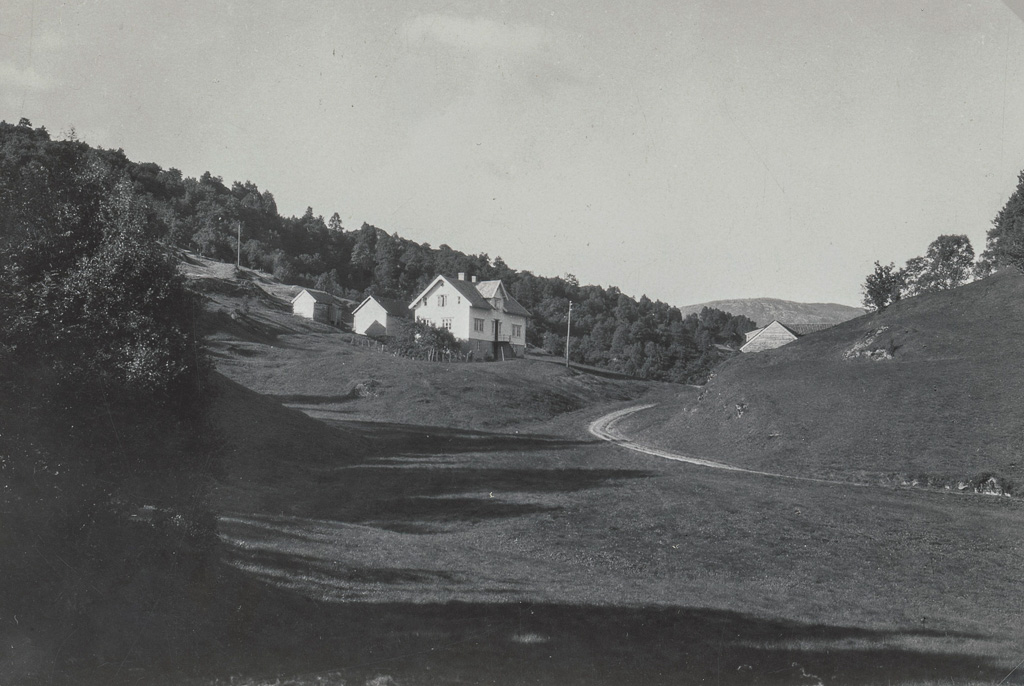
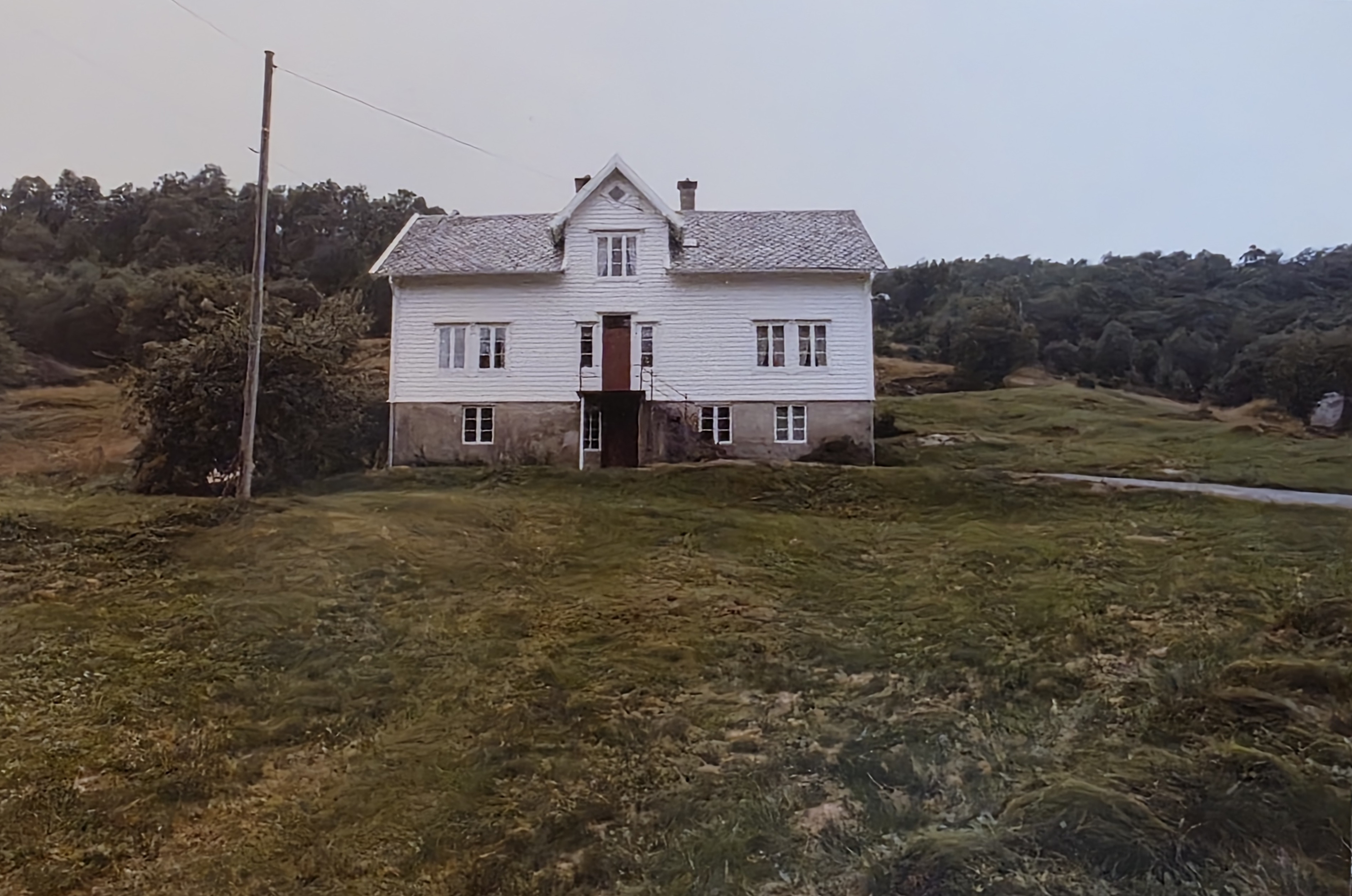
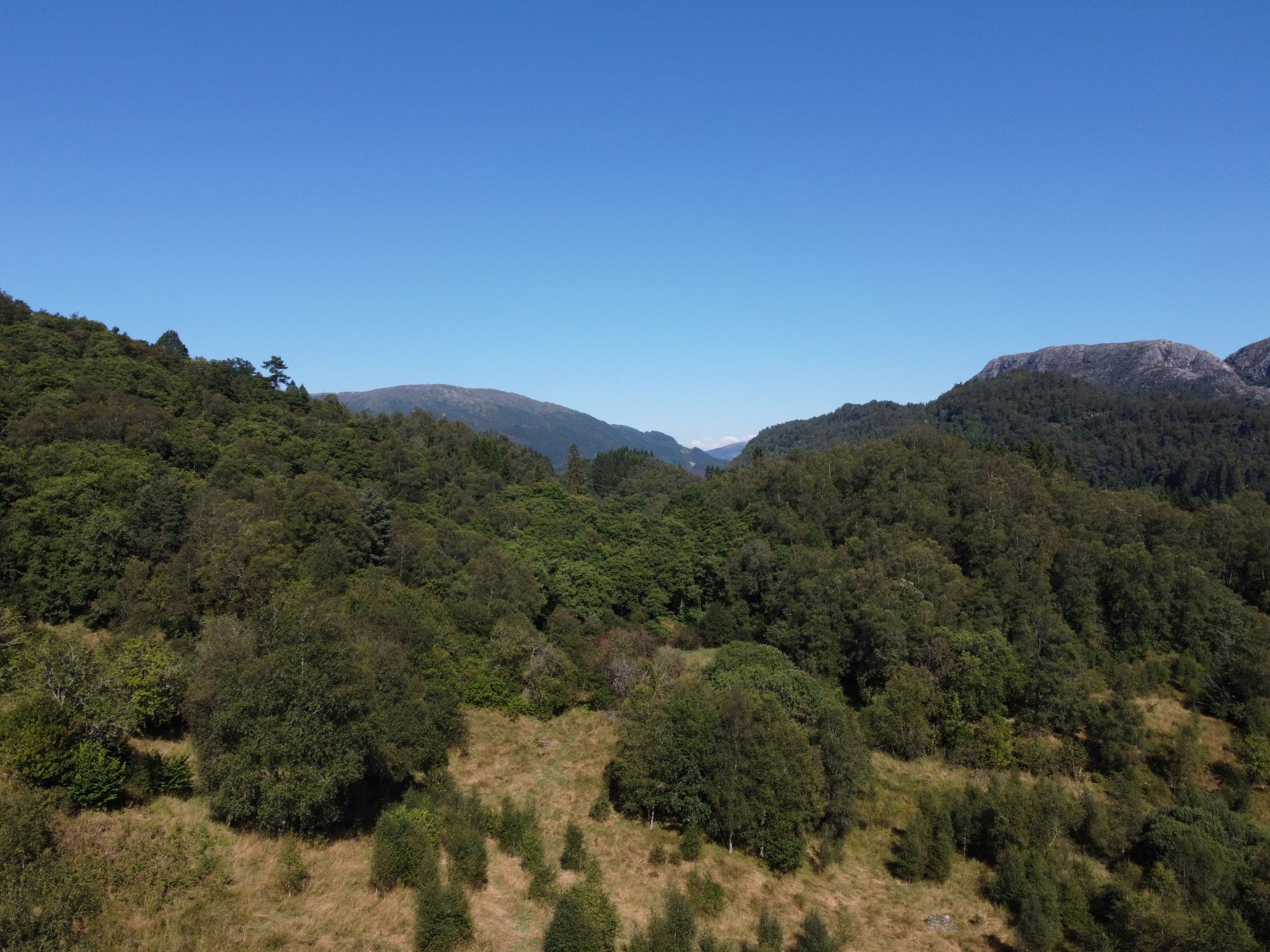
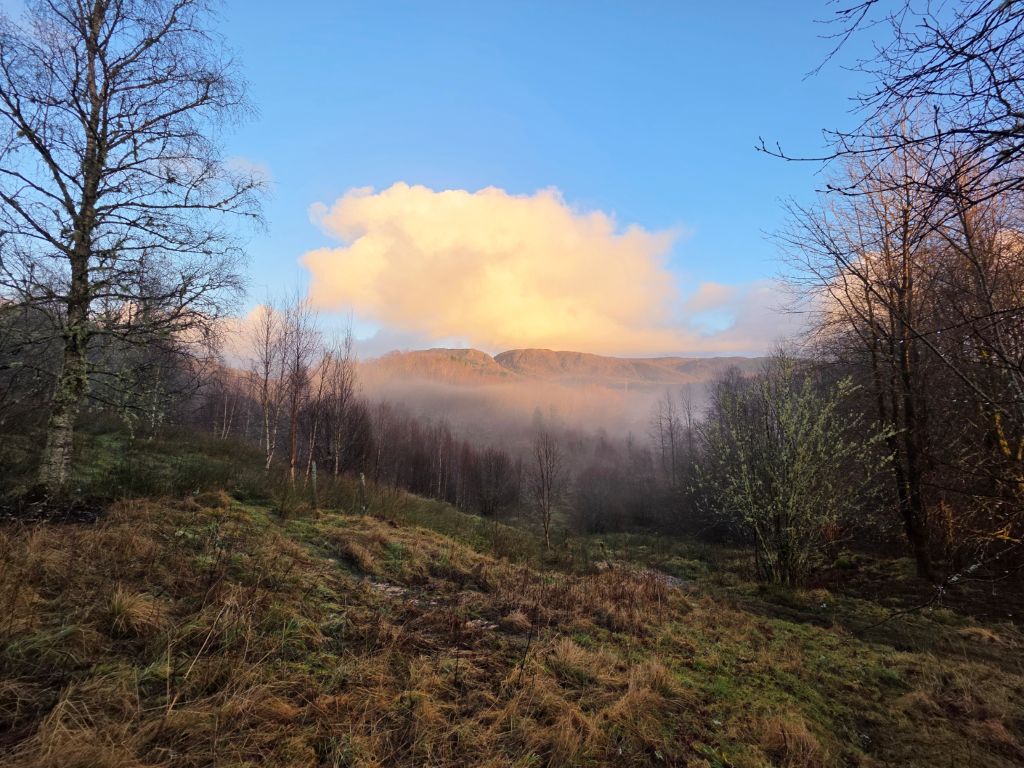
Milleshaug is a former small holding and later independent farm in Fana district, south of Bergen municipality. The farm is beautifully situated on Dyngelandsåsen, about 100 meters above sea level, with views towards Myrdalsvatnet and the surrounding agricultural landscape.
The farm has very ancient roots. Upper and Lower Dyngeland were originally one farm together with Milleshaug, and the entire area was likely cleared before the Viking Age, probably during the Migration Period (ca. 400–570 AD). This makes Milleshaug one of the oldest known settlements in Fana.
During the High Middle Ages (ca. 1050–1350), Milleshaug was probably separated as its own farm. It was at times referred to as Øyjordet, a name that testifies to the farm lying abandoned for extended periods. After standing without permanent residents since the 1980s, we are now working to restore the farm and give it new life.
The restoration work is based on this long history, and on the desire for Milleshaug to once again be a living place – and a home for future generations.
Timeline
Migration Period – first settlement
The Milleshaug area was probably cleared and taken into use before the Viking Age, most likely during the Migration Period. This makes it one of the oldest known settlements in Fana.
High Middle Ages – separate farm
During the High Middle Ages, Milleshaug was probably separated as its own farm from the Dyngeland complex.
Øyjordet – the period when the farm lay abandoned
The farm was probably abandoned in the late Middle Ages and used as outfield by residents at Dyngeland. The name "Øyjordet" refers to this period.
The farm cleared again
Milleshaug was taken back into use around the year 1600 and cleared as a farm under Dyngeland.
First written sources
The farm is mentioned for the first time in written sources, then called "Aasen". Later variants include Meldehough (1608), Melleshoug (1611), and Mildeshaug (1614).
Fire and new house
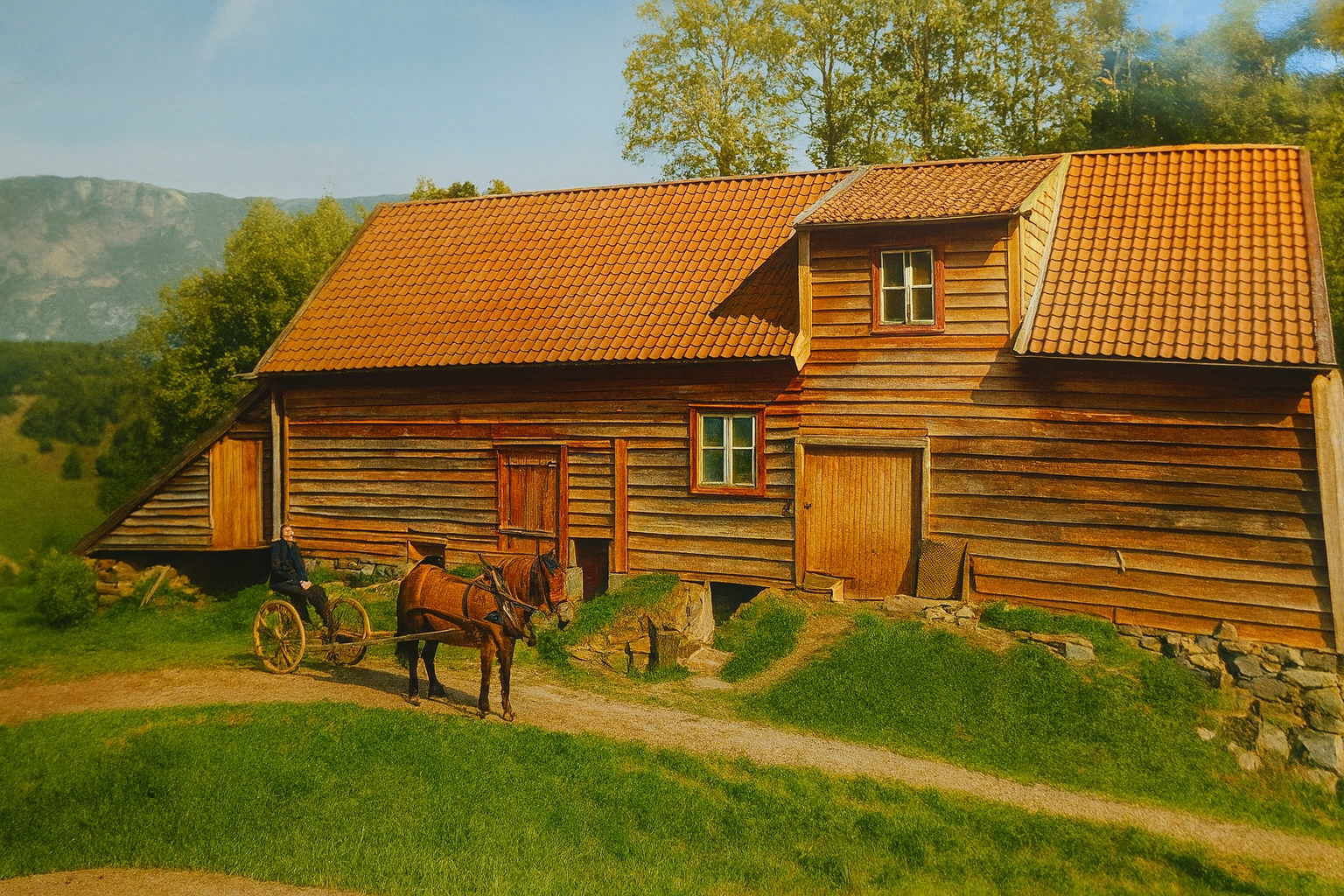
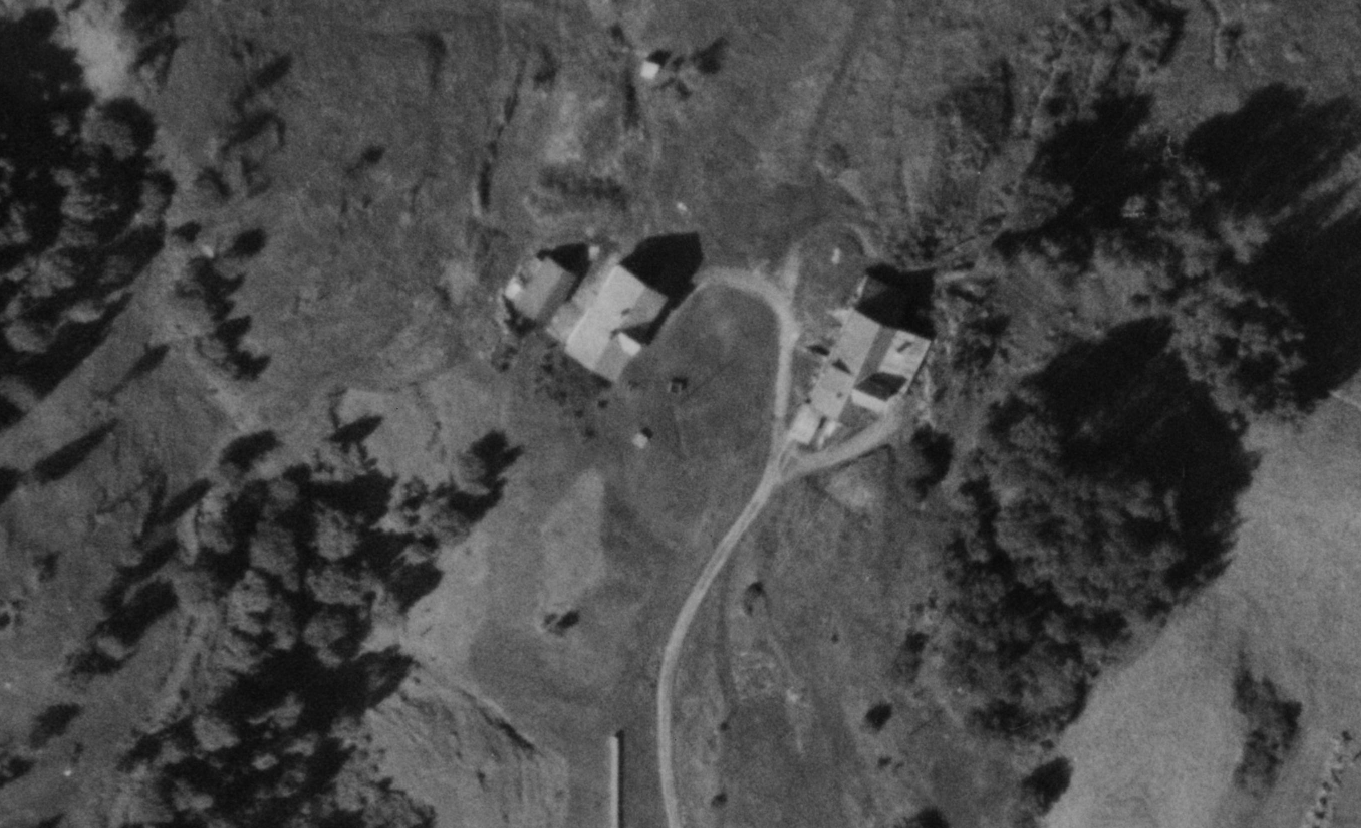
The original farmyard at Tuftene, which burned down, was located about 100 metres southeast of the farmhouse that stands today. Following the fire, a new house was constructed to the north. Parts of the original foundation and the root cellar (jordkjeller) remain intact.
Nils Larsen N. Totland
Nils Larsen N. Totland (1733–1801) buys the farm for 110 riksdaler from his brother-in-law Mons Larsen. This marks the start of the family's ownership that continues to this day.
Nils Nilsen (I)
Nils Nilsen (1761–1844) receives the deed from his father and takes over the farm.
Nils Nilsen (II)
Nils Nilsen (1804–1892) receives the deed from his father and continues the operation.
Jakob Nilsen Milleshaug
Jakob Nilsen Milleshaug (1839–1925) receives the deed from his father for 500 speciedaler.
Land division
Milleshaug receives its own holding number and is allocated at part of the 205 acres at the land division.
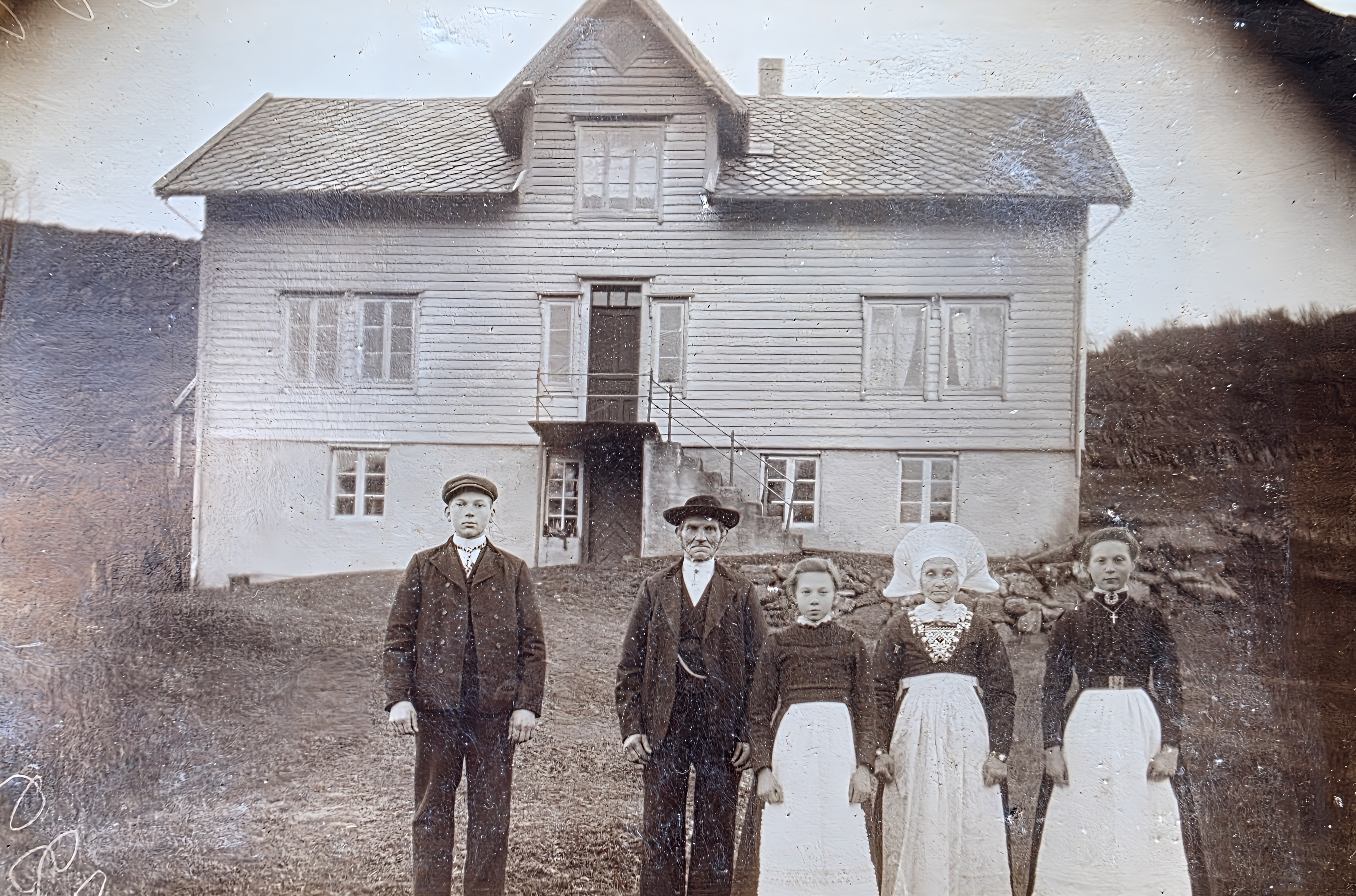
New farmhouse
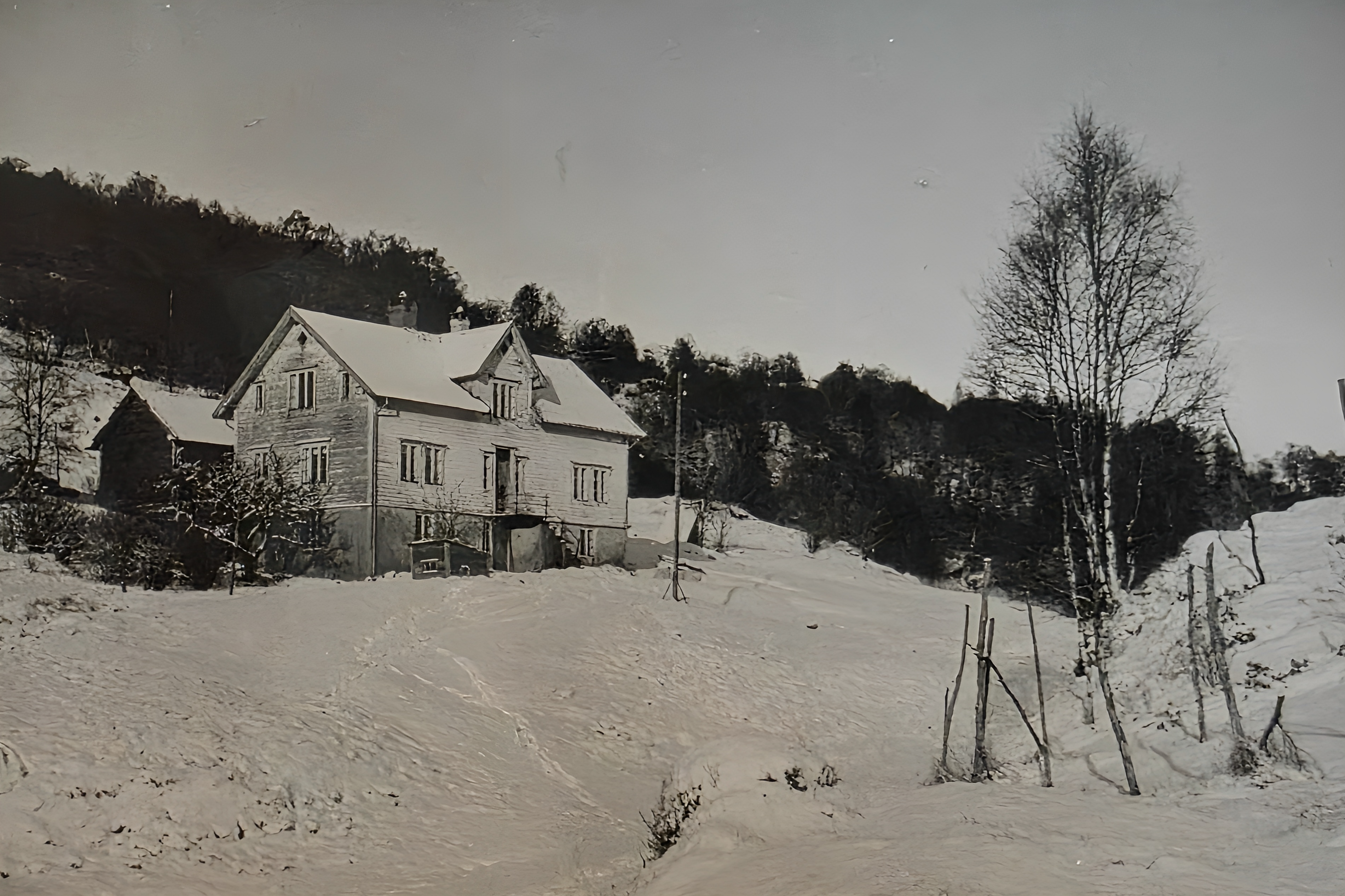
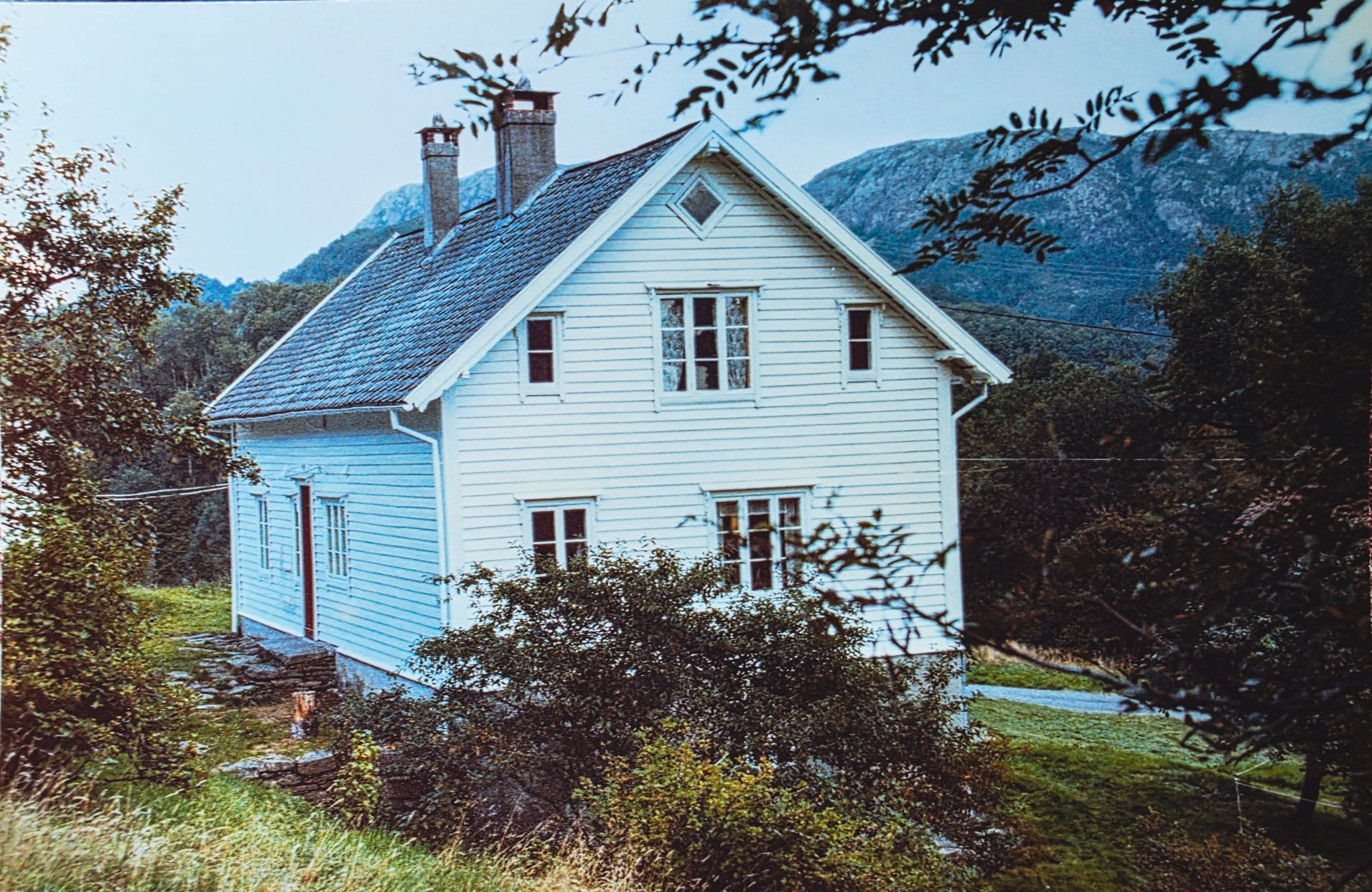
The farmhouse that stands today is built, replacing the 1723 house that stood north of the current location.
Nils Milleshaug
Nils Milleshaug (1893–1962) receives the deed from his father Jakob. He remained unmarried and ran the farm with his sisters Marta and Berta until his death.
Marta and Berta Milleshaug
The sisters Marta (1895–1990) and Berta (1897–1988) took over the farm after their brother. Both were unmarried and ran the farm until 1968.
Farm abandoned
The farm is abandoned, but the farmyard and farmhouse remain intact.
Torhild Sandven and Ingeborg Sandven Hindal
Took over the farm when Marta died in 1990.
The farm reborn
Kristian Sandven, representing the 7th generation of family ownership, begins the work of giving Milleshaug new life as a home where the family can live again. The goal is for the lights to shine once more at Milleshaug, and for the farm to be a living place for everyday life, togetherness, and new memories – a home for future generations.
List of owners – a farm in family ownership since 1764
The farm has been in unbroken family ownership since Nils Larsen N. Totland bought it in 1764. Here is the complete list of owners:
- Nils Larsen N. Totland (1733–1801) – Bought the farm for 110 riksdaler in 1764
- Nils Nilsen (I) (1761–1844) – Received deed from his father in 1795
- Nils Nilsen (II) (1804–1892) – Received deed from his father in 1832
- Jakob Nilsen Milleshaug (1839–1925) – Received deed from his father in 1869 for 500 speciedaler
- Nils Milleshaug (1893–1962) – Received deed from his father in 1923. Unmarried
- Marta and Berta Milleshaug (1895–1990 and 1897–1988) – Took over after their brother in 1962. Both unmarried
- Torhild Sandven and Ingeborg Sandven Hindal – Took over the farm when Marta died in 1990
- Kristian Sandven (current owner) – Represents the 7th generation of family ownership
Through over 260 years, the farm has been an important part of family history and the local community in Fana. The continuous family line from 1764 to today makes Milleshaug a rare example of long-term family ownership in Norwegian farm history.
The Project
After 40 years dormant, Milleshaug Farm will be brought back to life. The goal is to preserve the farm's cultural-historical value while making it accessible to new generations.
Heritage Value
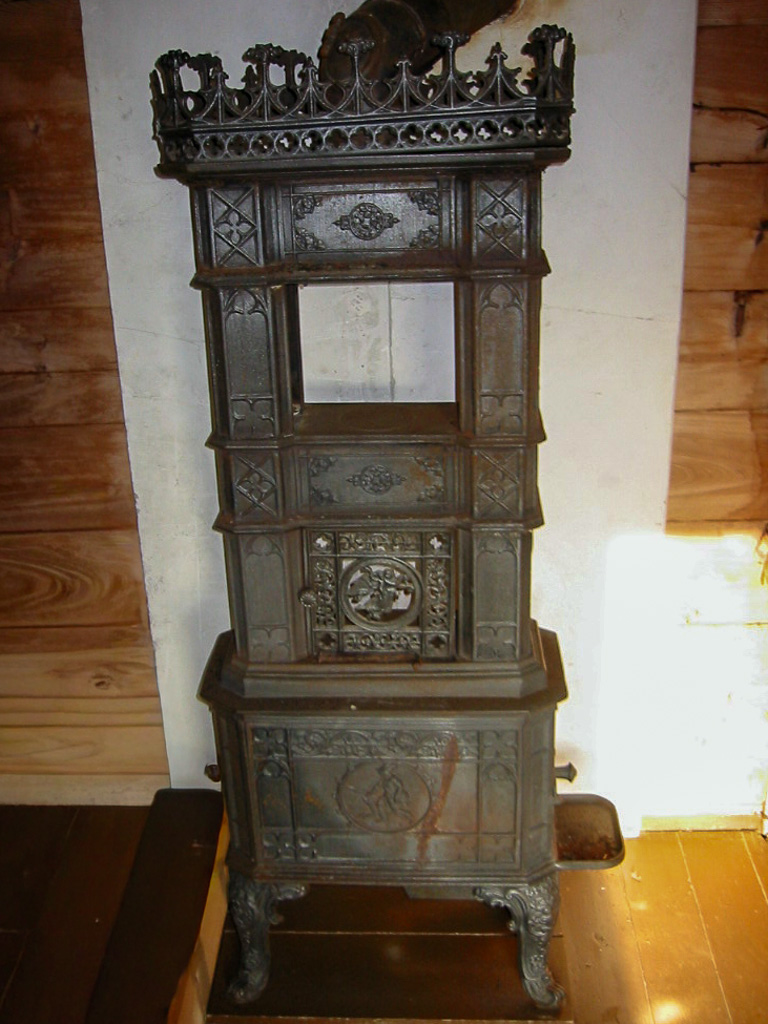
The farm represents a unique cultural environment with visible traces of historical agriculture and settlement. The farmhouse, stone walls, and farmyard structure are intact and will be preserved for the future.
Restoration
We are working on restoring the farmhouse, outbuildings, and farm buildings. The work will be based on traditional building practices and carried out with the necessary craftsmanship expertise.
Future Plans
Milleshaug will be a living heritage site where history meets the present, with respect for the place's character and continuity.
Collaboration
The project is carried out in collaboration with relevant authorities and experts in cultural heritage conservation.
Watch video from the farm
Progress – Phase 1 (2025–2026)
We have now begun the first essential preparations before the actual restoration work can start. Phase 1 is about securing and clearing – both to protect the buildings and to make the area safe to work in.
Milleshaug is private property under active restoration. We greatly appreciate the interest in the farm and its history, but for safety reasons and due to ongoing work, we kindly ask that no one walks on the property or through the farmyard without prior arrangement. During the clearing work, we have uncovered large amounts of buried and broken glass, which can pose a risk to both people and animals. There are several good alternative paths in the area that lead to the same destinations, without passing through private property. Thank you for your understanding and for respecting this.
December 2025 – Securing
- Closing and securing broken windows and doors to prevent further damage to the buildings
- Signage warning of ongoing work and that all access is unwanted
- Installation of video surveillance
January–April 2026 – Tree felling and clearing
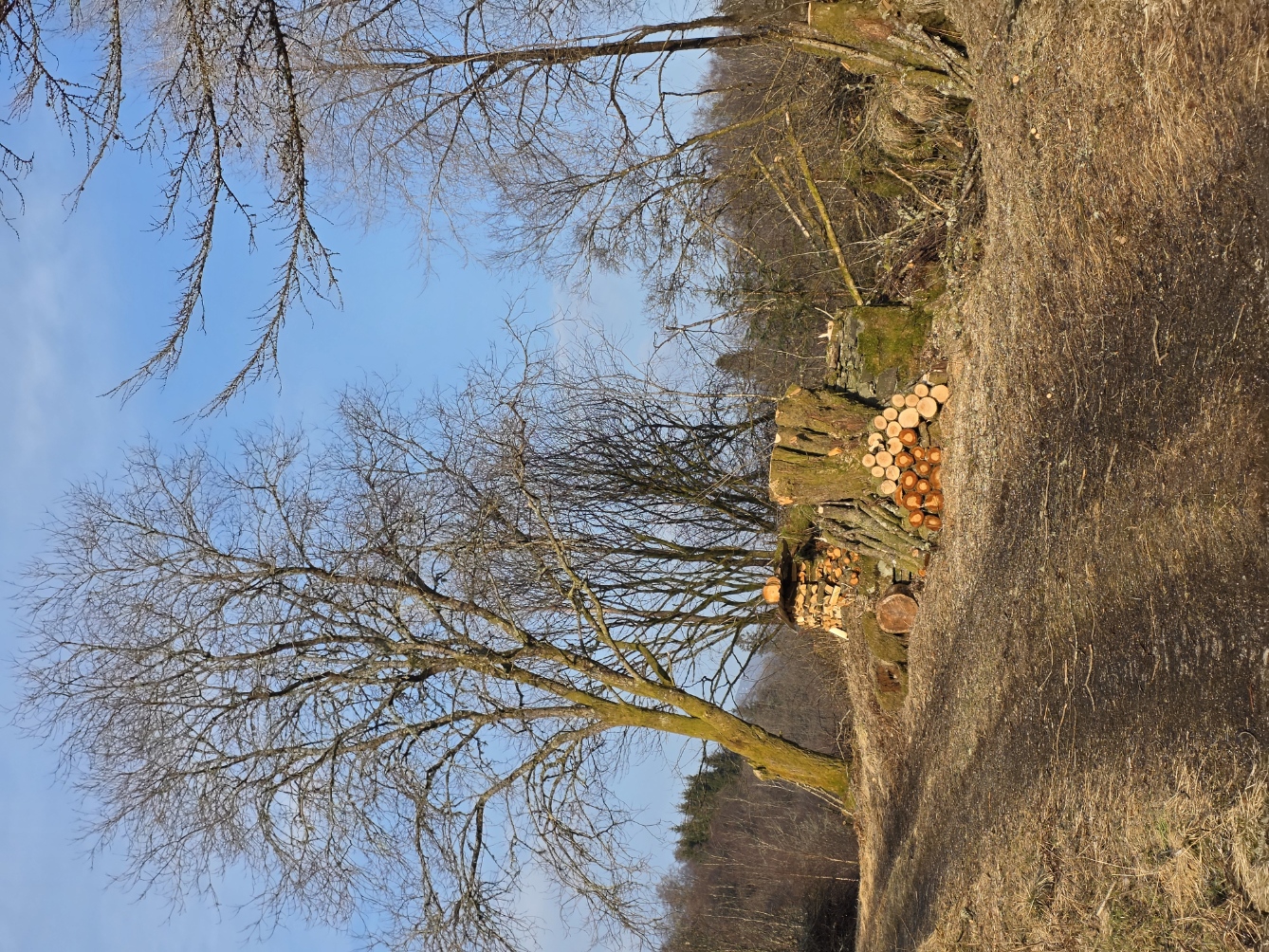
- Felling and clearing of trees closest to the buildings
- Removal of uprooted trees
- Cutting and splitting of firewood
- Pruning of trees that are not to be felled
- Temporary maintenance of access road
May 2026 – Site clearing
- Preparation for wood chipping
- Cutting and splitting of firewood
- Systematic clearing of the area around the farmyard
- Collection of glass, plastic, metal, and other waste
June 2026 – Wood chipping and clearing of outbuilding
- Wood chipping completed – all branches from the winter's felling have been processed through the wood chipper
- Clearing of the collapsed outbuilding – started
July 2026 – Road upgrade (in progress)
- Clearing of the collapsed outbuilding – completed
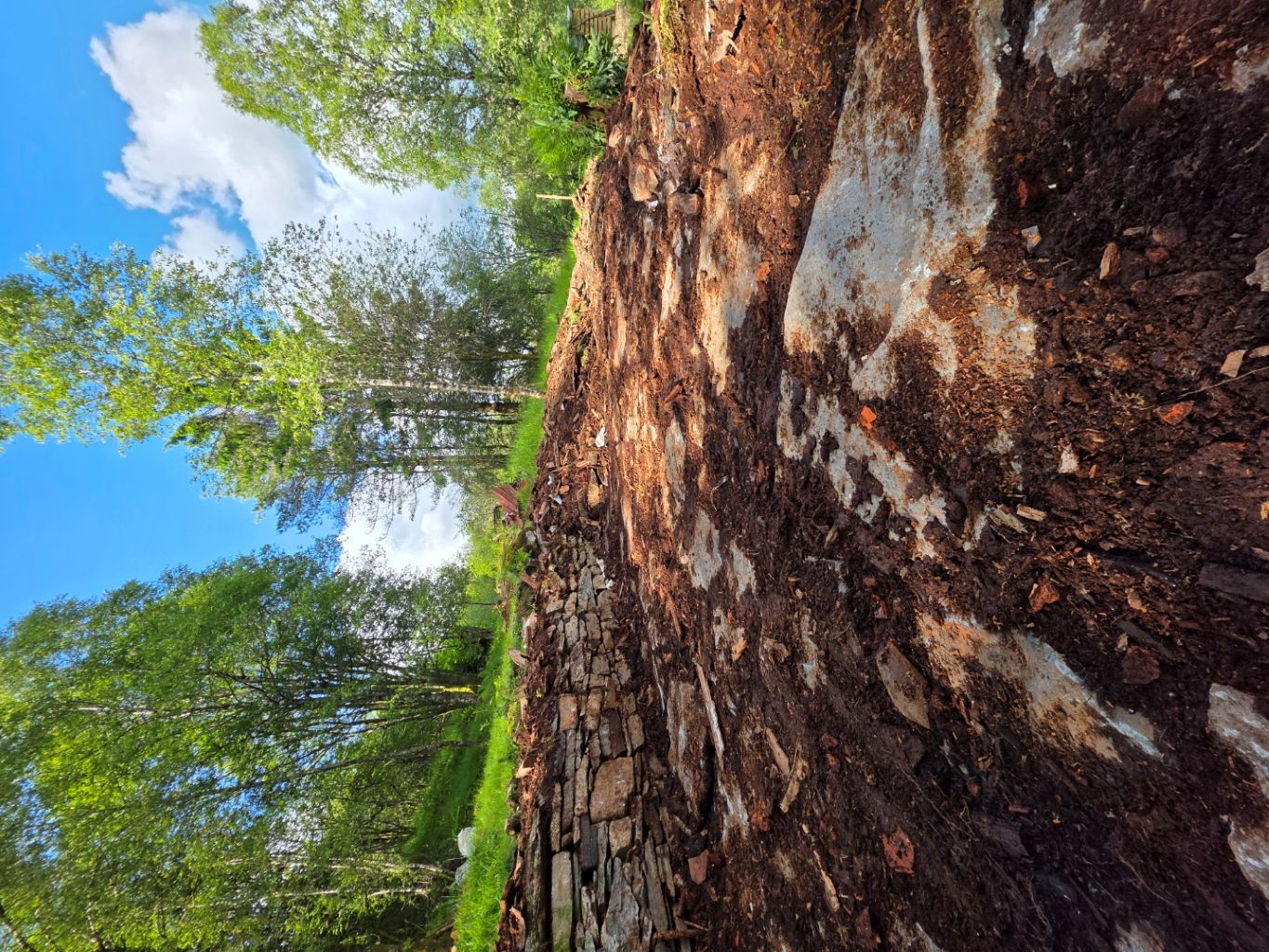
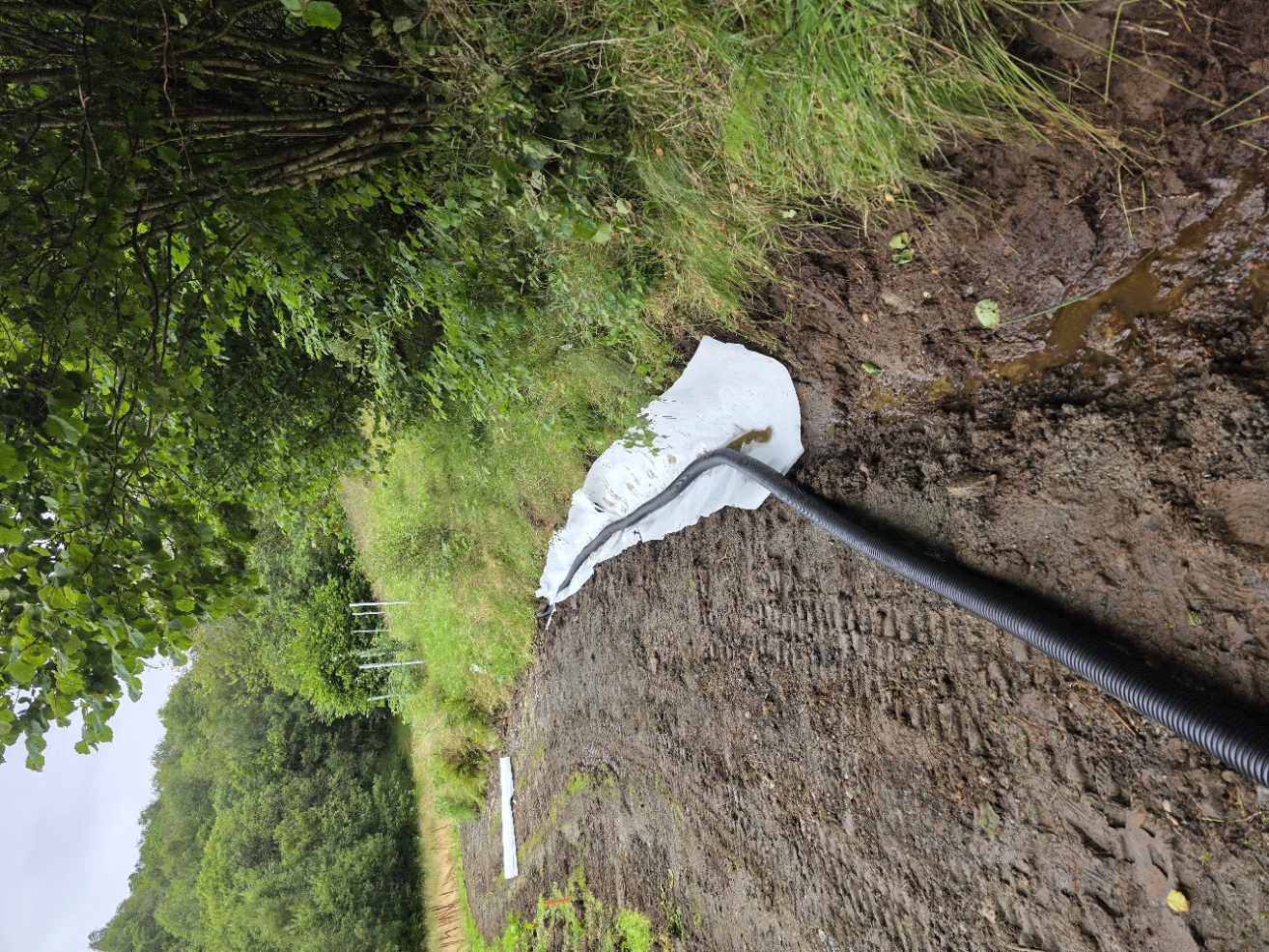
- Upgrading of the access road to the property – started
August 2026 – Road, drainage and foundation
- Continued work on improving the access road
- Clearing and tidying around the outbuilding
- Drainage and repair of the foundation
Farm operation and land area
Milleshaug had approximately 20 acres of infield and 205 acres of shared outfield. In the 1877 land division, Milleshaug was allocated the southwestern part of the outfield between Engeset and Upper Dyngeland.
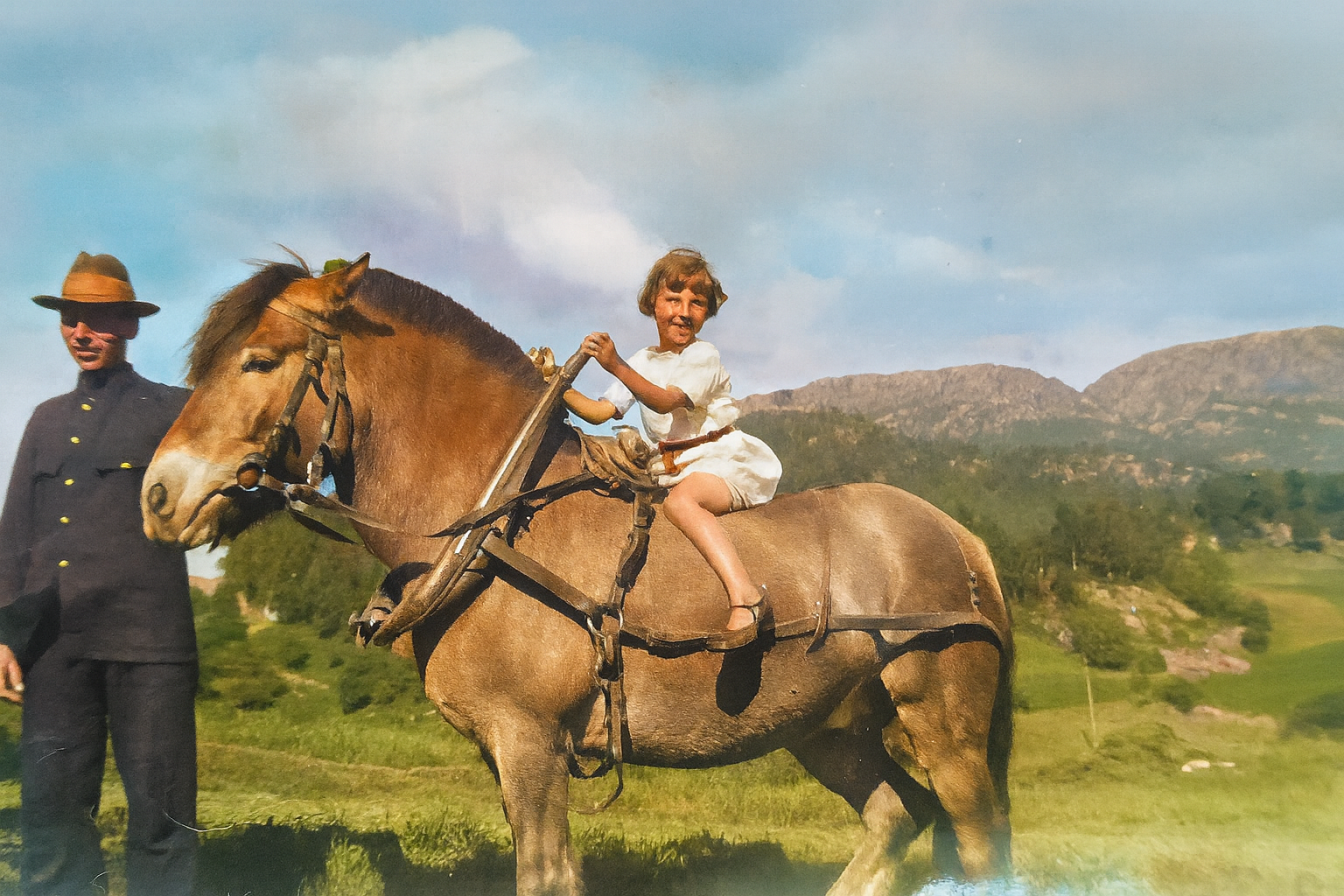
During operation, the farm kept horses, cows, sheep, and pigs. The farm also had access to outfield grazing and forest.
Contact
Send us a message
Get in touch
Are you interested in learning more about Milleshaug Farm, our project, or would like to contribute? We appreciate all contact and engagement.
Location
Milleshaug Farm
Dyngelandsåsen
Fana, Bergen Municipality
The farm is beautifully situated about 100 meters above sea level, with views towards Myrdalsvatnet and the surrounding agricultural landscape.